Aquafaba is a miracle worker in vegan cooking and baking. But what is aquafaba? And how do you use it? Here’s everything you need to know about this game-changing ingredient.
One of the hardest ingredients to replace in vegan cooking and baking is egg. While you can use flax eggs, there’s a lot they can’t do—like whip up into a frothy, foamy consistency or form peaks. When aquafaba came on the scene several years ago, it truly was a game-changer.
First Thing’s First: What Is Aquafaba?
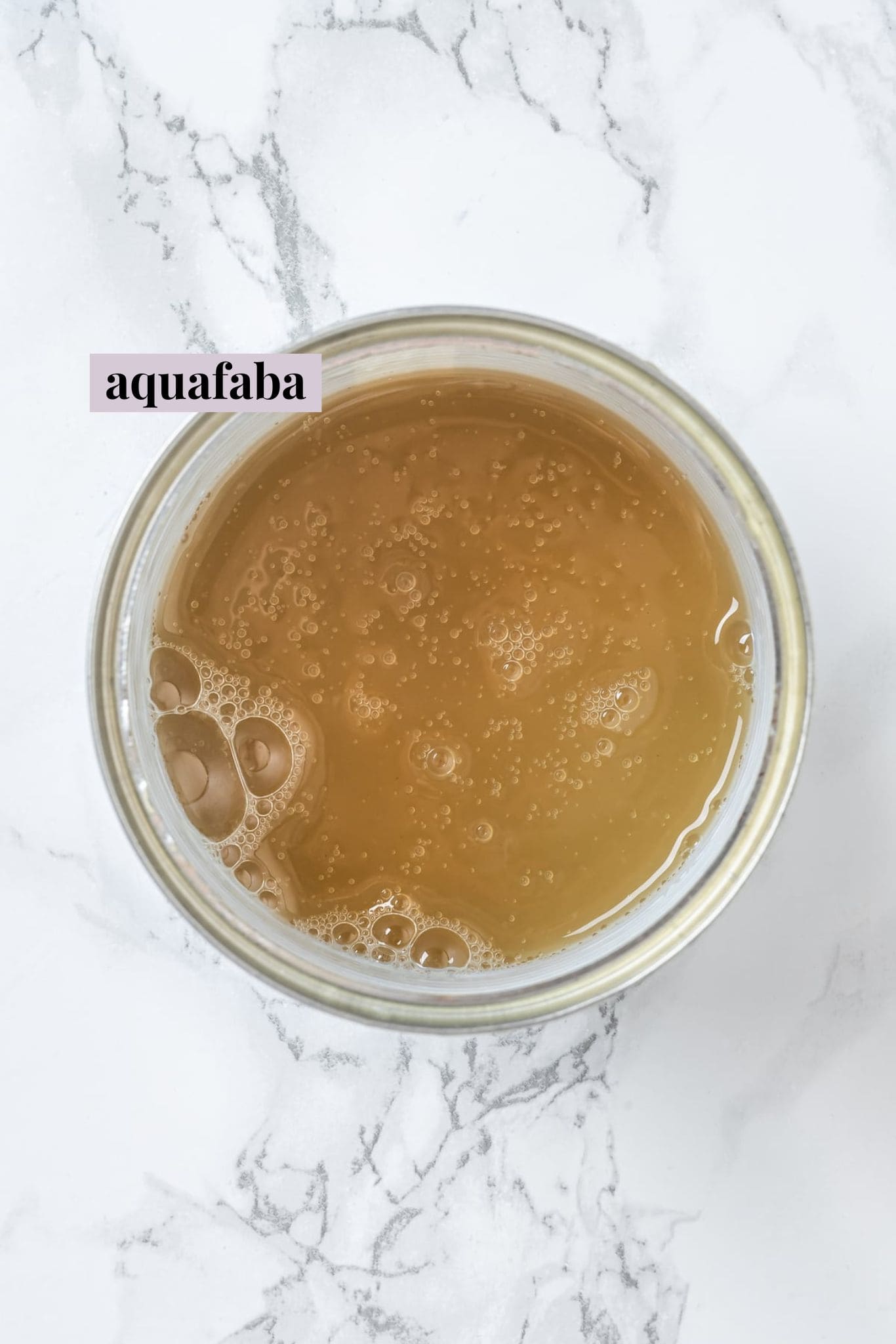
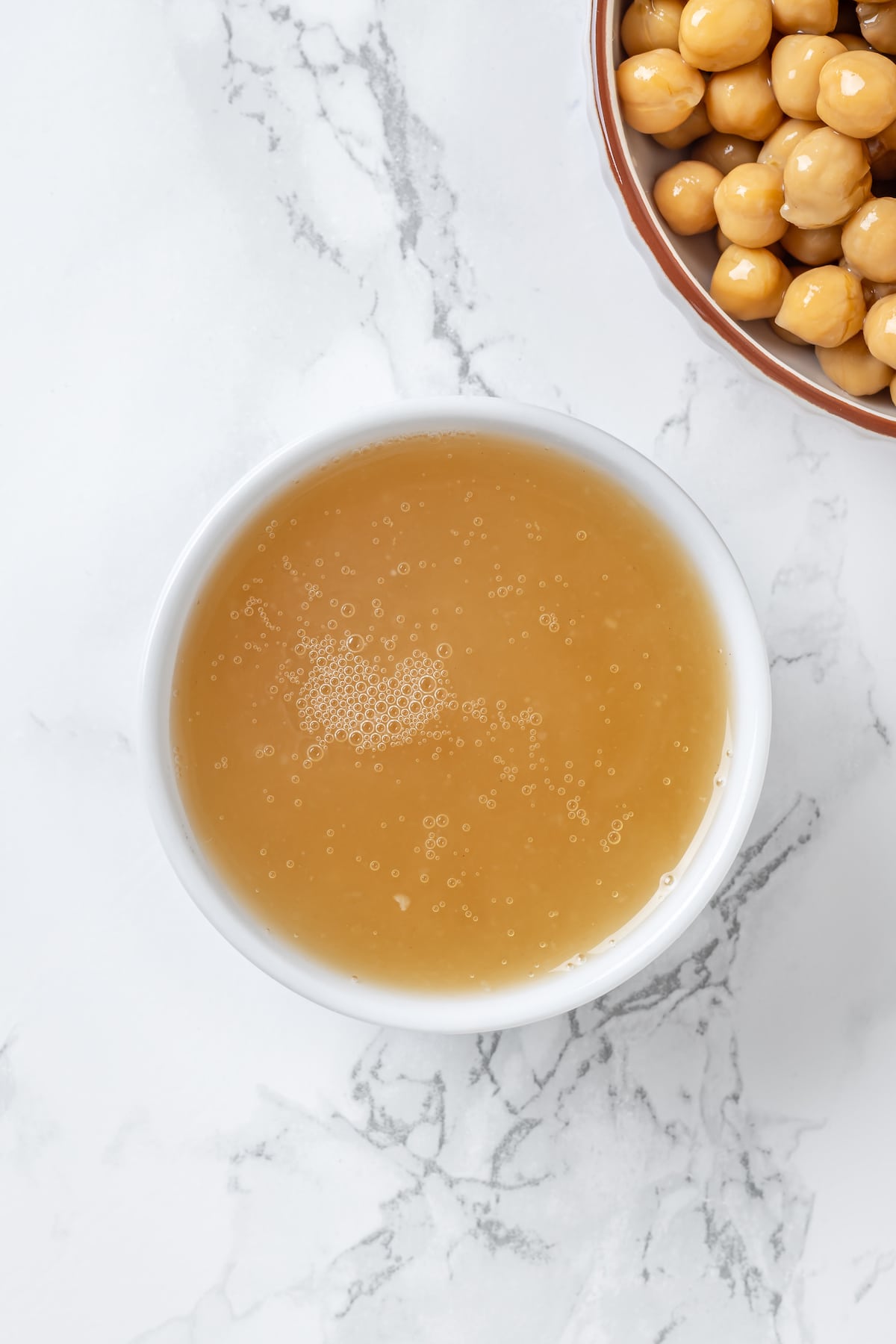
Aquafaba is made from the liquid that you usually find in a can of chickpeas, or the liquid left over after cooking dried chickpeas. It’s essentially just bean water! But don’t let its humble origins fool you. This seemingly unimportant liquid has some impressive properties when it comes to cooking and baking.
The most popular use of aquafaba is as an egg replacer. Many vegan recipes call for it as a substitute for eggs, especially in baking. And the results are truly amazing! You can whip it into stiff peaks just like you would with egg whites, and it also works wonders in creating a light and airy texture in baked goods.
Using aquafaba as an egg substitute was first discovered in 2015, which means we’re still finding new and exciting ways to use it in vegan foods!
Is Aquafaba in All Canned Beans?
Technically speaking, you could use the liquid in any canned beans, but the reality is that the liquid in canned chickpeas performs much better. This is because chickpeas have a higher starch content, which helps with the emulsifying and foaming properties of aquafaba.
So, while you can use other types of canned beans to make aquafaba, just keep in mind that they will not work as well or produce the same results. You can make meringues, for example, but they’ll be a little flatter.
How Do You Whip Aquafaba?
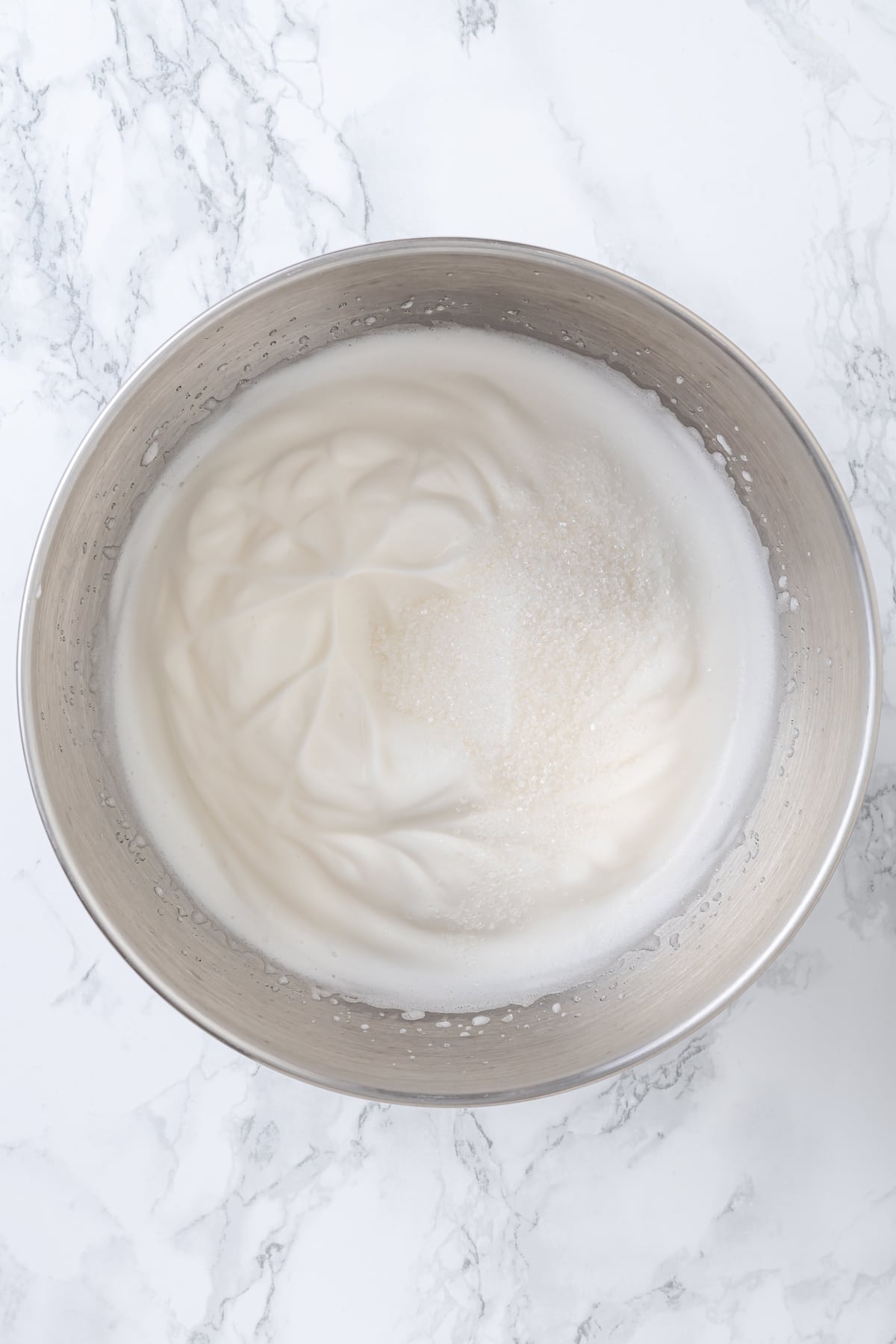
Whipping aquafaba is easy! You can use a stand mixer with a whisk attachment or a hand mixer to whip aquafaba into peaks. It will take a bit longer than whipping egg whites, but the end result is well worth it. Some people use blenders to make their aquafaba, but I find a stand mixer easier because you can keep a closer eye on the consistency and know precisely when stiff peaks form.
You can also add cream of tartar or other stabilizers to help aquafaba hold its shape better. I like to add cream of tartar, which helps with the overall stability. Just add 1/4 teaspoon for every 1/2 cup of aquafaba before whipping.
Uses for Aquafaba
There are so many ways to use aquafaba; you can incorporate it into baked goods like muffins and cakes to create a higher rise, or you can use it to make vegan meringue (more on that below!). I also use it in these recipes:
- Vegan marshmallows get their fluffy texture from the addition of aquafaba.
- Aquafaba makes this sweet potato soufflé light and airy, just traditional soufflés made with eggs.
- I use aquafaba to make the ladyfingers in this vegan tiramisu recipe.
- Aquafaba acts as a binder for these crispy, crunchy corn nuggets—and they also give the batter a light texture.
Aquafaba Meringue Recipe
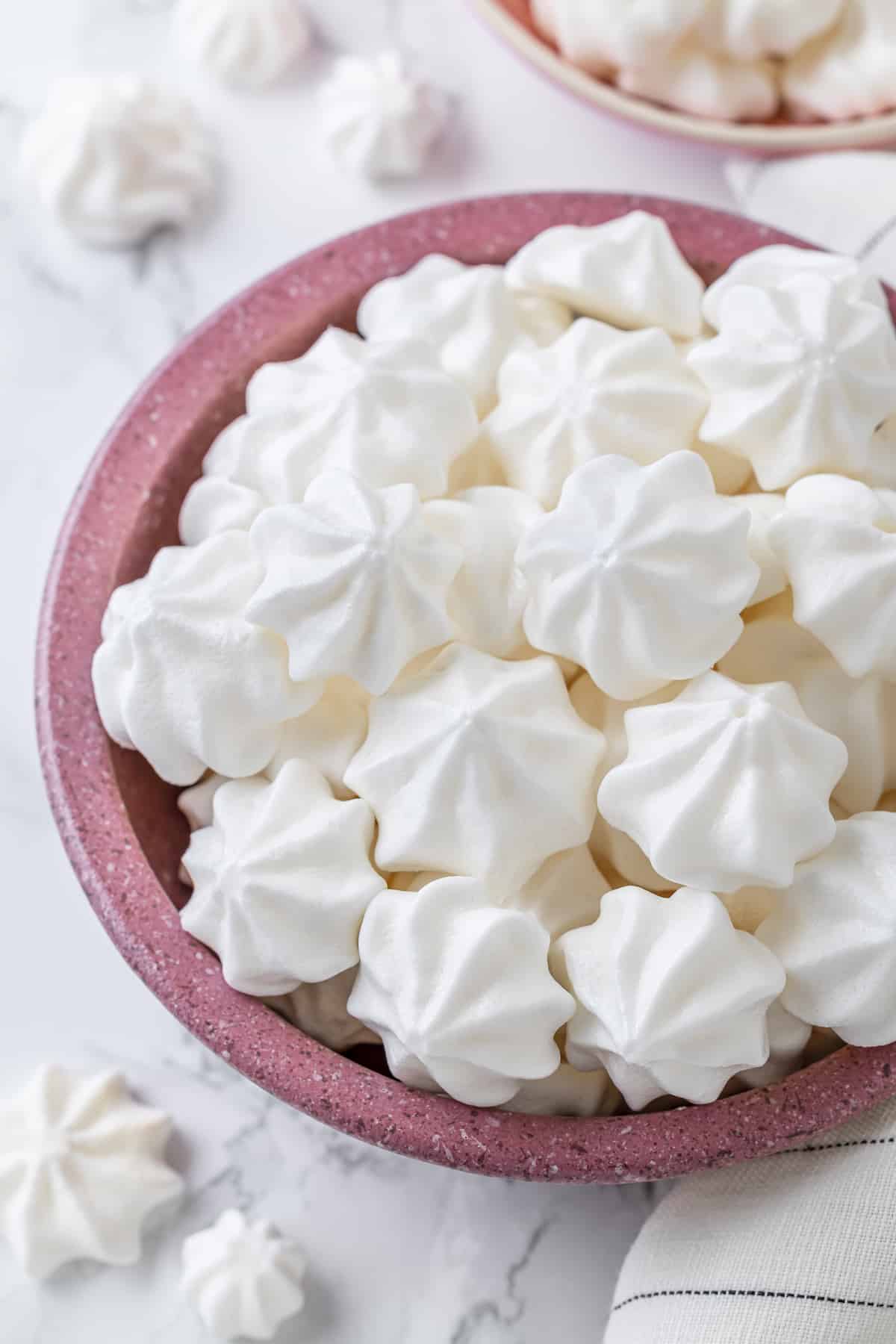
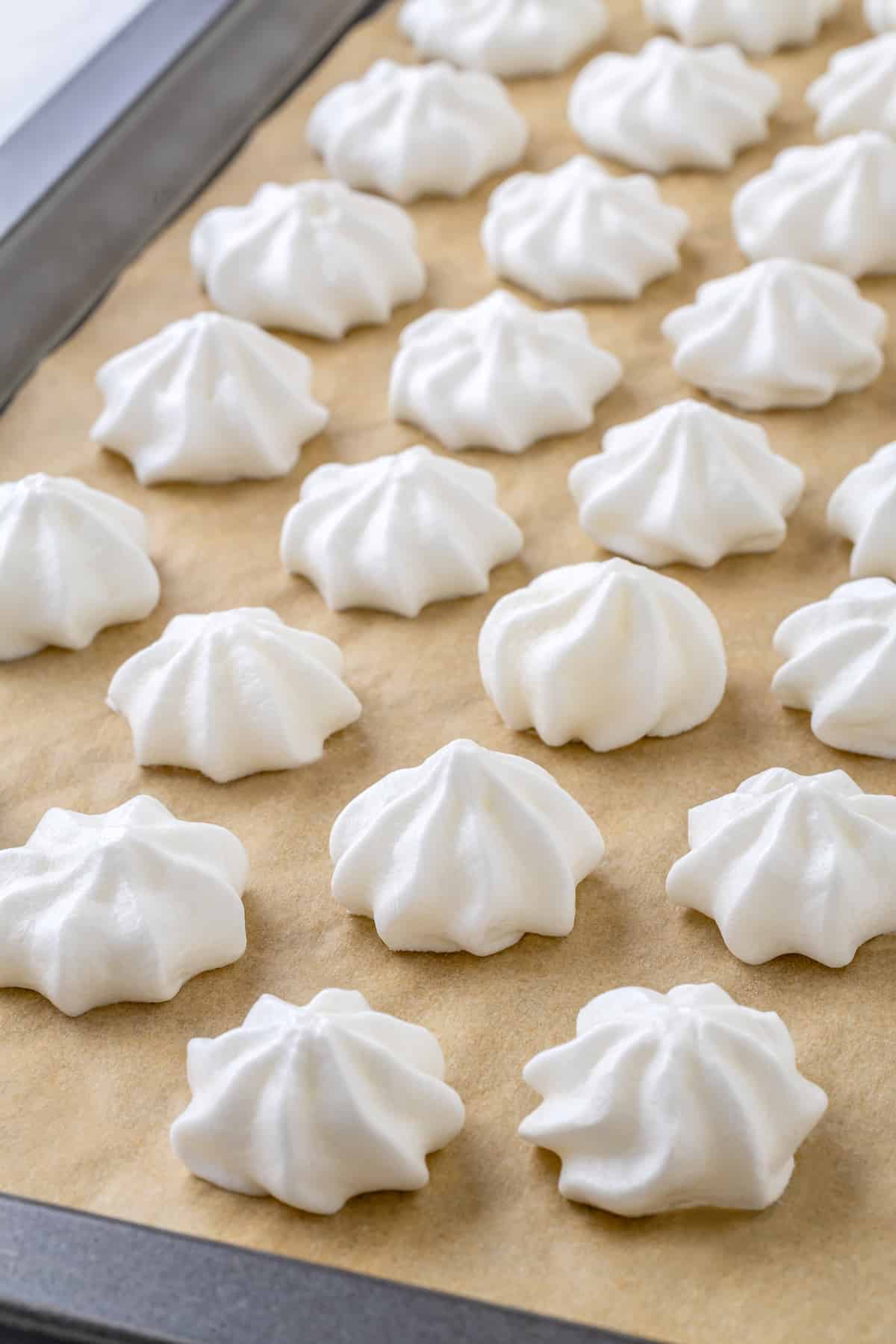
If you’re ready to dive in and start experimenting with aquafaba, vegan meringues are the perfect place to begin. This 4-ingredient recipe will help you familiarize yourself with how to whip aquafaba and how it performs in comparison to traditional egg whites.
How to Make Vegan Meringues
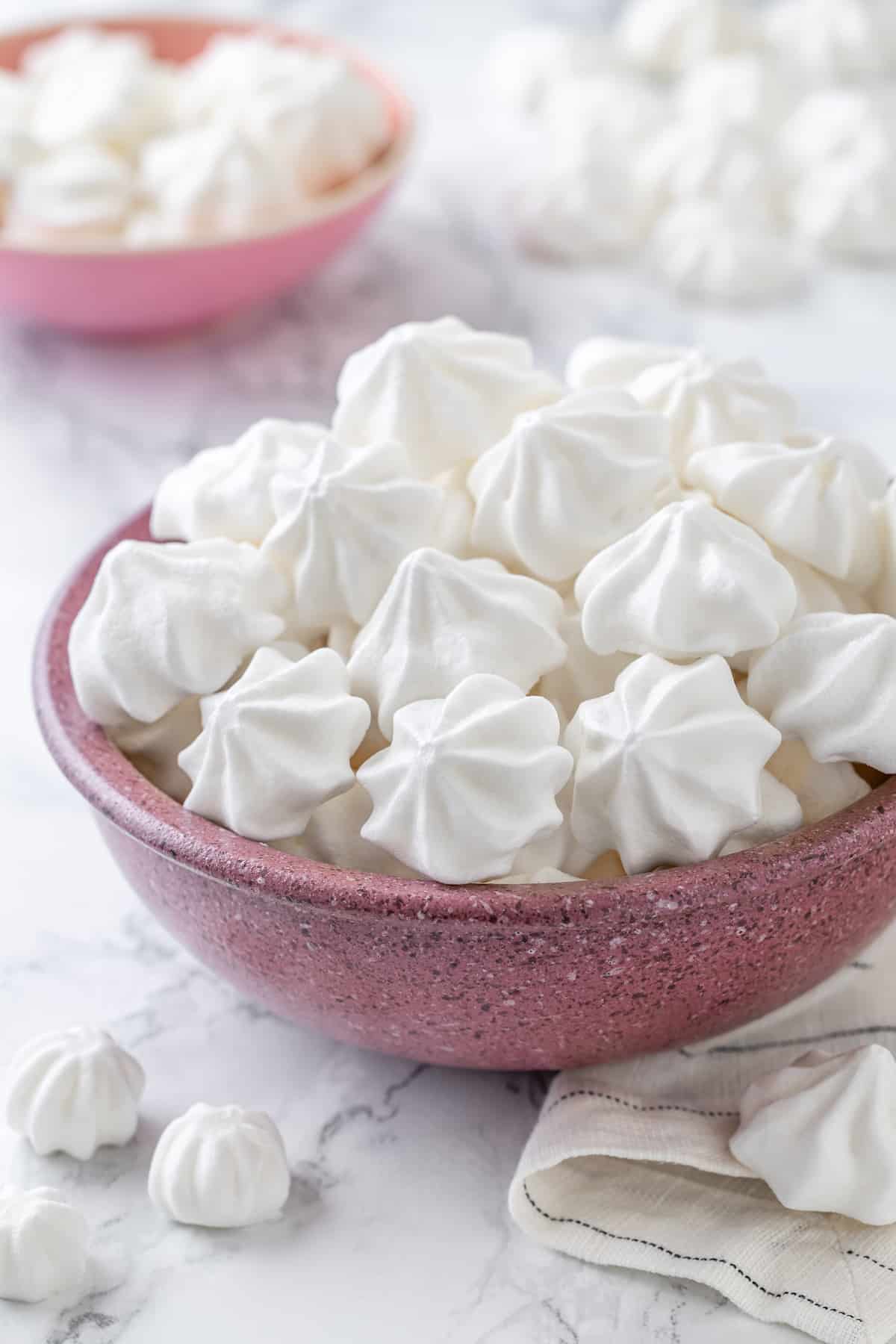
These vegan meringues are just as light and airy as the original—you will never guess they were made with chickpea water!
- Prepare. Preheat your oven to 210°F and line 3 baking sheets with parchment paper.
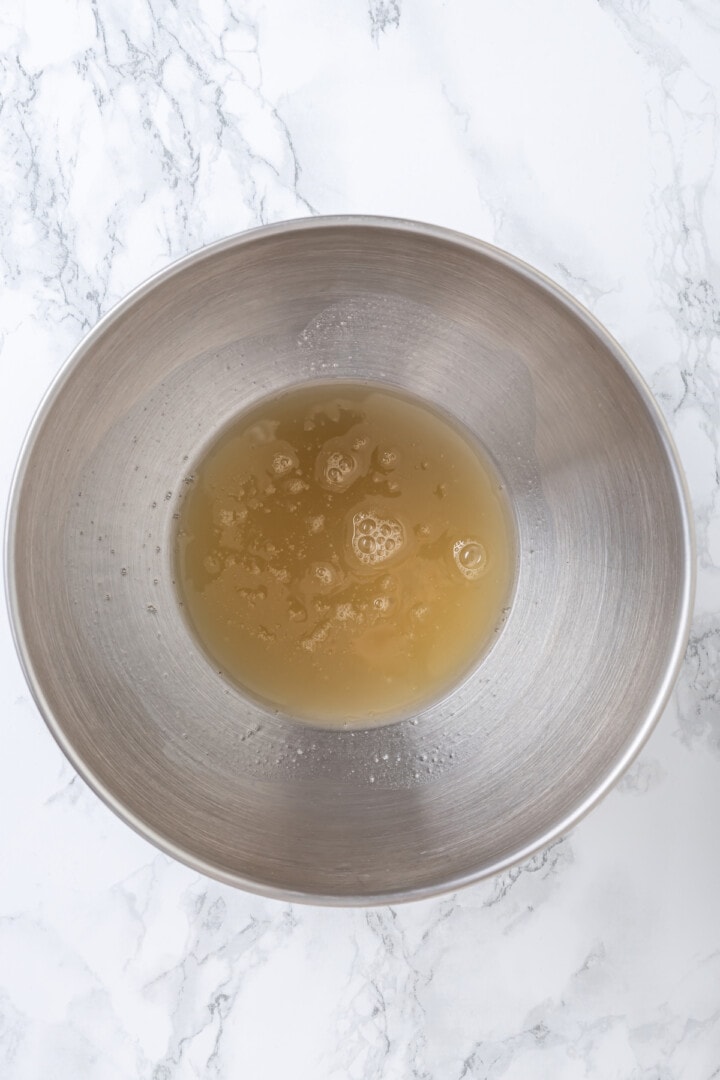
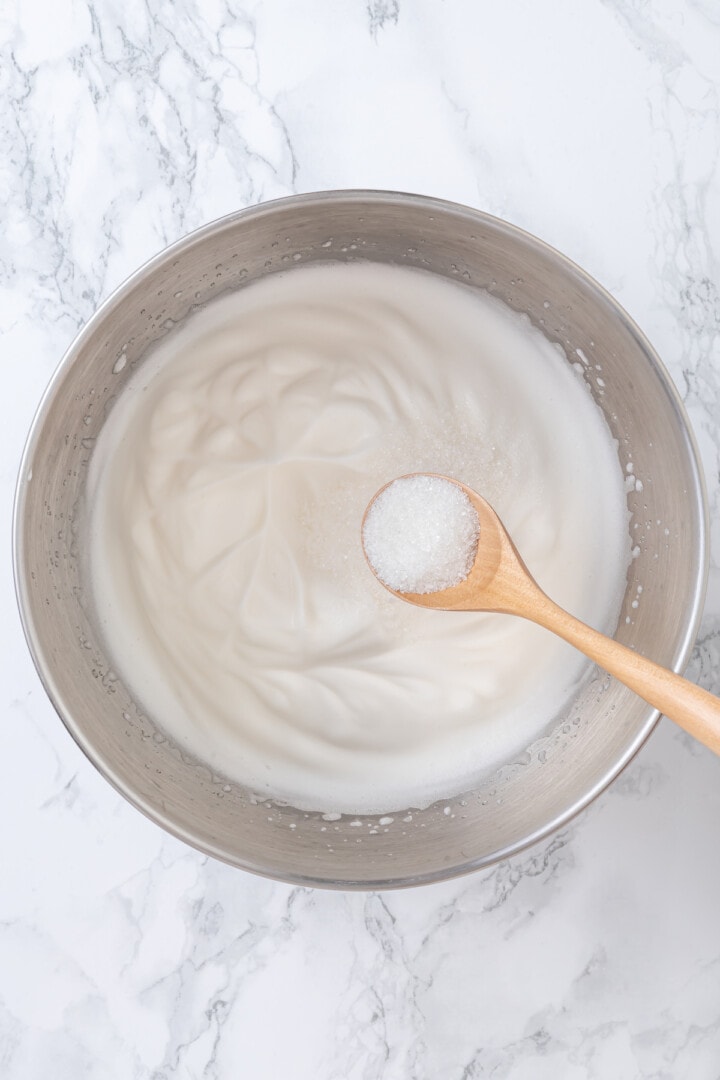
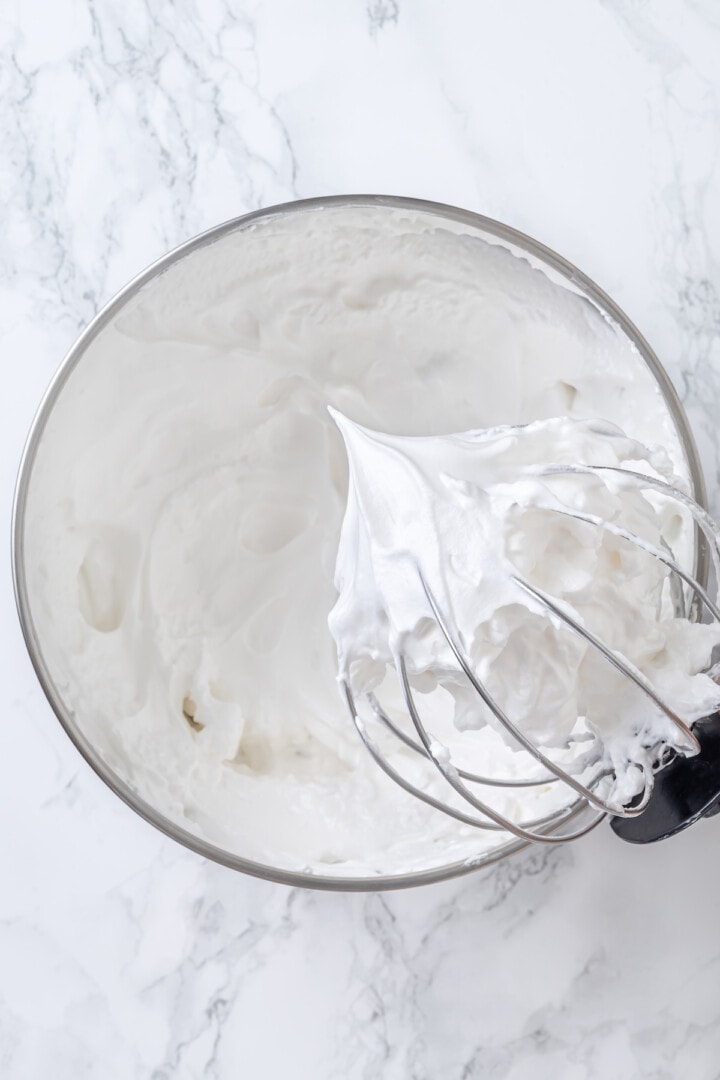
- Whip the aquafaba. In the bowl of a stand mixer fitted with a whisk attachment, whip the aquafaba and cream of tartar on medium speed until it forms soft peaks.
- Add the sugar. Gradually add the sugar while continuing to whip the aquafaba. Increase the speed to high and continue whipping until stiff peaks form and the meringue is glossy. Add vanilla extract into the meringue and beat until just mixed.
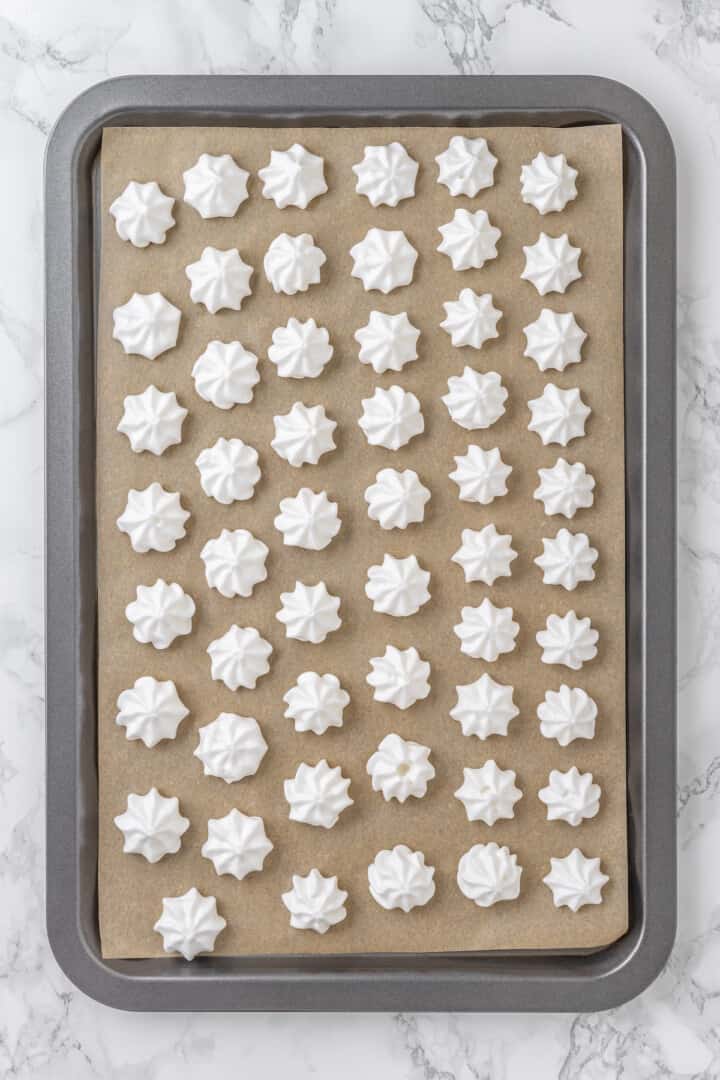
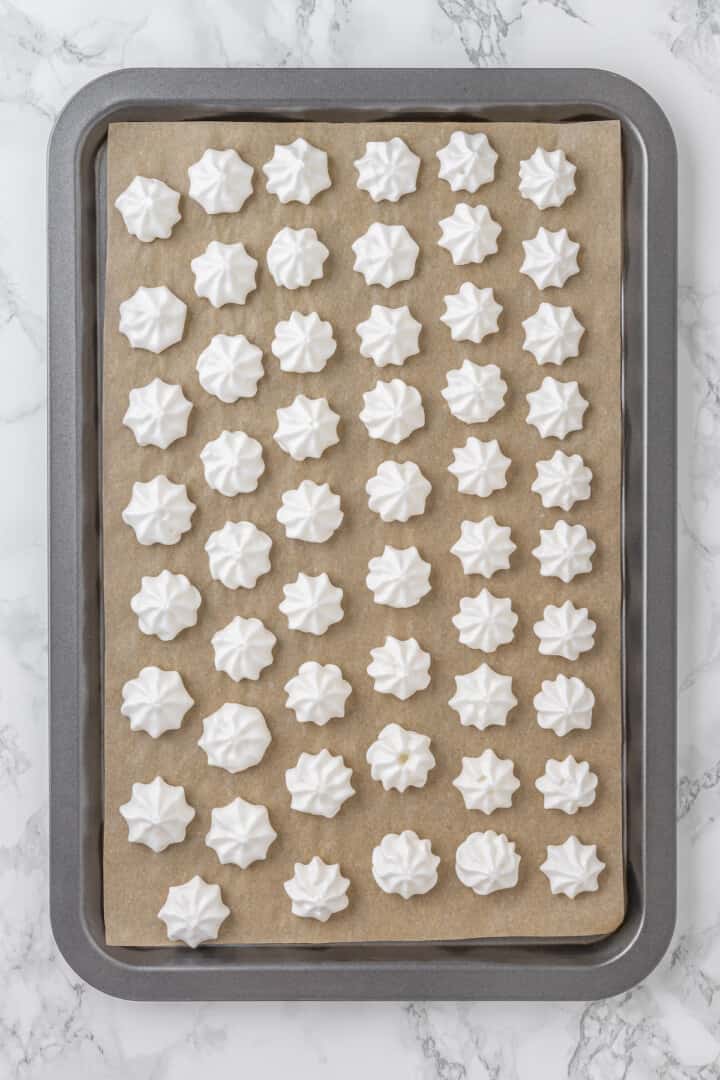
- Pipe. Transfer the meringue into a pastry bag and pipe small meringues onto the prepared baking sheets.
- Bake. Place the pans in the oven and bake for about 1 hour and 30 minutes, or until the meringues are crisp on the outside. Turn off the oven and leave the meringues inside for another hour or until they cool completely.
How to Store Vegan Meringues
Vegan meringues are best stored in an airtight container at room temperature. They will stay fresh for 2 to 3 days.
More Vegan Guides
- What Is Cassava Flour?
- Health Benefits of a Plant-Based Diet
- Is Honey Vegan?
- Surprising Foods That Are NOT Vegan
- Are Marshmallows Vegan?
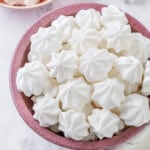
Vegan Aquafaba Meringue
Ingredients
- ½ cup aquafaba 120 grams
- ¼ teaspoon cream of tartar 1 gram
- ½ cup sugar 100 grams
- 1 teaspoon vanilla extract 6 grams
Instructions
-
Preheat your oven to 210°F (100°C). Line 3 baking sheets with parchment paper.
-
In a clean, dry bowl of a stand mixer fitted with a whisk attachment, add the aquafaba and cream of tartar. Begin whipping the aquafaba on medium speed until it forms soft peaks.
-
Gradually add the sugar, a spoon at a time, while continuing to whip the aquafaba. Increase the speed to high and continue whipping. This should take about 8-10 minutes. Whip until you reach stiff peaks, and the meringue is glossy and holds its shape when you lift the beaters. Add vanilla extract into the meringue and beat until just mixed.
-
Transfer meringue mixture into pastry piping bag fitted with desired tip and pipe small meringues on prepared baking sheets.
-
Bake in the preheated oven for about 1 hour and 30 minutes (periodically changing position of the trays to even cooking), or until the meringues are crisp on the outside. It’s important to bake them at a low temperature to avoid browning.
-
Once they are done baking, turn off the oven and leave the meringues in the oven for another hour or until they cool completely. This helps to further dry them out.
Notes
Nutrition
The post What Is Aquafaba? appeared first on Jessica in the Kitchen.