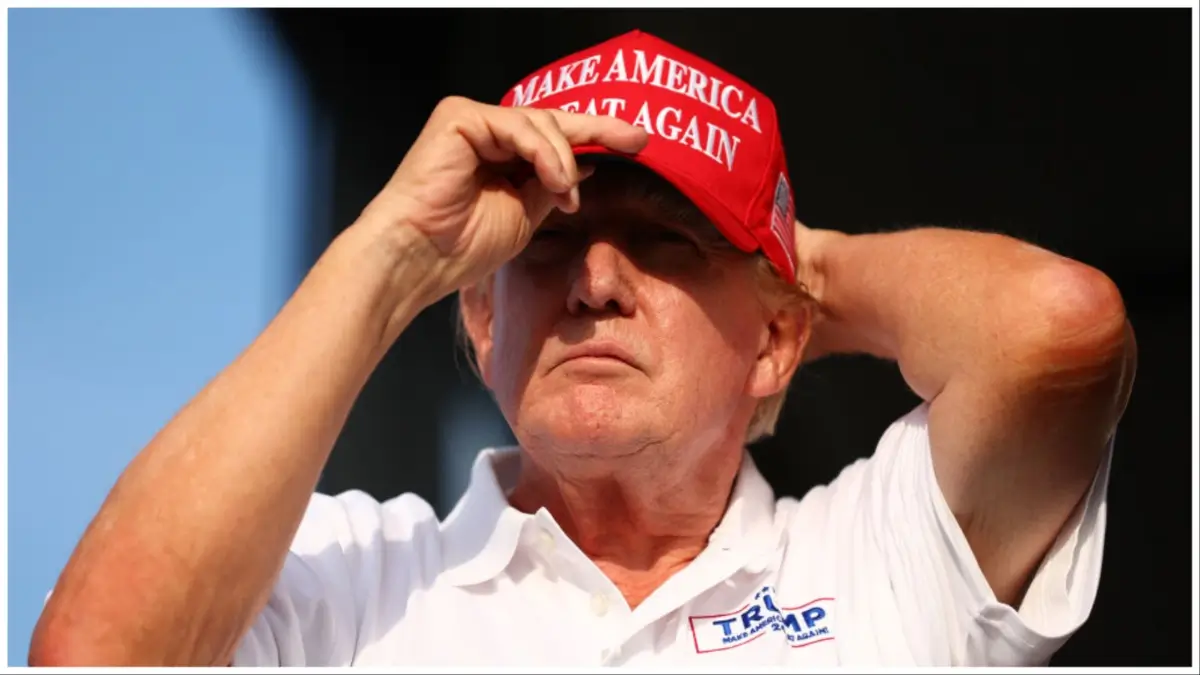
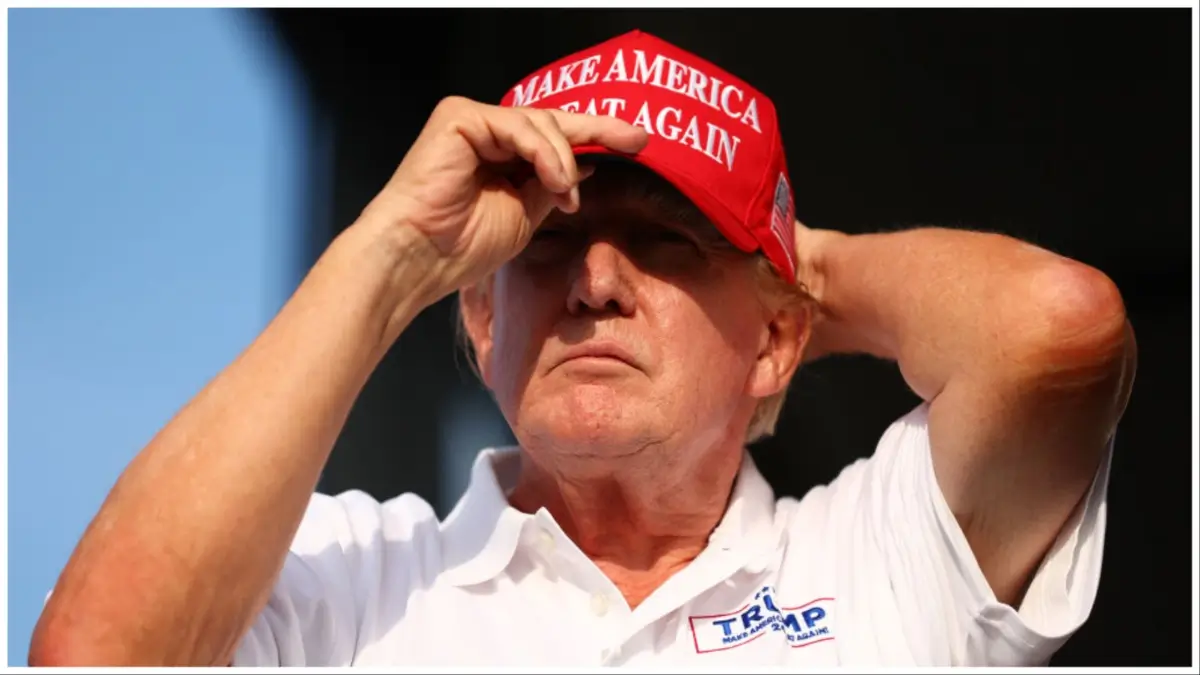
The Supreme Court handed President Donald Trump an extraordinary legal victory in 2024 when it ruled that presidents enjoy broad immunity from criminal prosecution for their official acts. To many, the decision appeared to make Trump untouchable.
But the controversial ruling may have left open a different path—one that could expose the president to a flood of civil lawsuits from people who lost billions on Trump’s cryptocurrency venture.
That is the argument former State Department official Richard Stengel is making after new figures showed nearly 1 million investors lost more than $3.8 billion in Trump’s official $TRUMP memecoin.
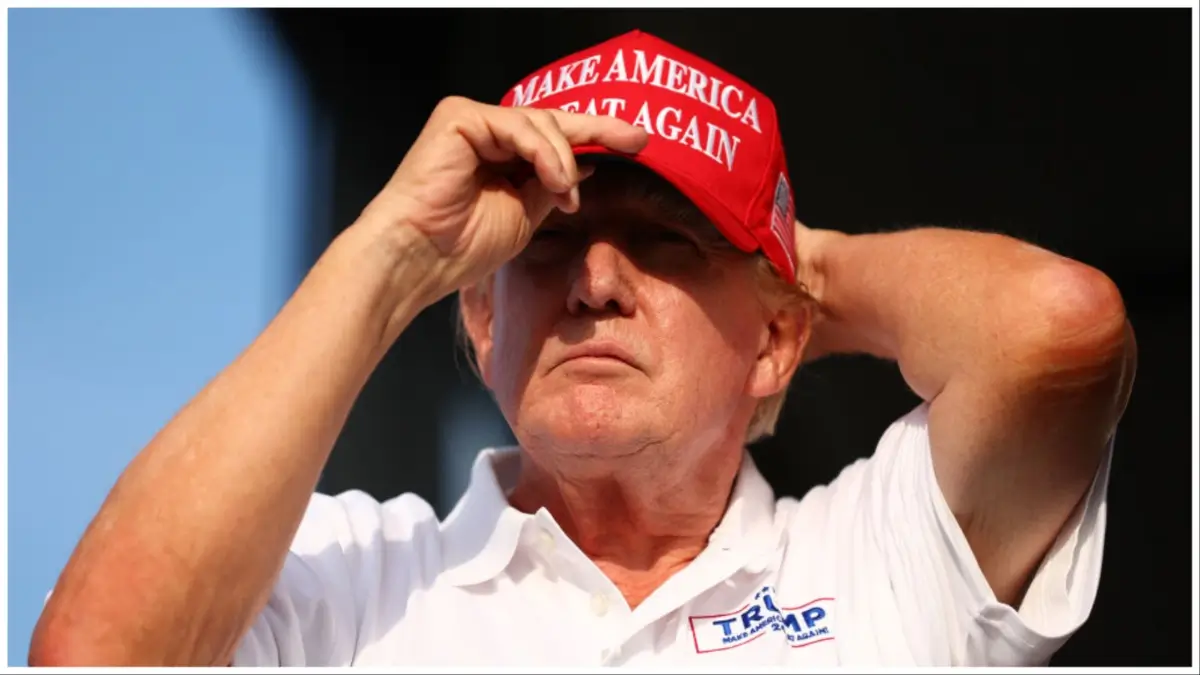
Stengel argues the Supreme Court’s immunity ruling left a critical opening: it does not shield presidents from legal consequences for unofficial acts, meaning Trump could still face a barrage of civil lawsuits after leaving office, even as the president credits his growing fortune to a booming stock market.
Speaking July 5 on MSNBC, Stengel argued that Trump’s financial dealings while in office have crossed ethical lines despite the legal protections established by the Supreme Court two years ago.
“Well, I think his supporters would be surprised because they haven’t been benefiting from the stock market like he has,” Stengel said. “I mean, the thing about this is there, I mean, there’s been corruption of some types, I suppose, in the Oval Office before, but the scale of what he’s doing is just beyond imagination.
”And he’s violating so many conflicts of interest, the emoluments clause, both domestic and foreign,” Stengel continued. “Uh, the fact that the UAE, a foreign power, you know, spent $400 million buying his memecoin, which was a large part of the amount of money that he made. Um, it’s, it’s mind-boggling.”
Stengel added that Trump’s approach is to conduct the activity openly and on such a massive scale that people struggle to know how to respond. While he criticized the Supreme Court’s immunity ruling, he argued it applies only to official acts and predicted that Trump’s private conduct — including his involvement with the memecoin — could face investigation after he leaves office, along with lawsuits from investors who lost billions.
His assessment followed a New York Times report citing cryptocurrency analytics firm Nansen, which found that 988,905 buyers of the $TRUMP memecoin lost a combined $3.81 billion through the end of June.
According to the report, Trump’s cryptocurrency token, launched just days before his January 2025 inauguration, has plunged 97 percent from its peak price of $75.35 to about $1.76. The Times also reported that Trump profited from trading activity involving the token regardless of whether its price rose or fell.
One of those investors, crypto trader Nicholas Pinto, told the newspaper he lost roughly $500,000 after buying the coin despite supporting Trump in the 2024 election.
“He is leveraging the power of being president to launch currencies, when he seems trustworthy in the public’s eye,” Pinto said. “It is kind of incredible. It is almost a legal scam.”
Trump’s recently released financial disclosure forms showed his personal wealth increased by roughly $2.2 billion during his first year back in the White House.
Asked last week about the sharp increase in his wealth, Trump dismissed suggestions that it stemmed from his business ventures.
“You know why I’m profiting?” Trump said. “Because the stock market’s going up, everybody’s profiting.”
The legal debate centers on the Supreme Court’s immunity decision, which granted presidents absolute immunity from criminal prosecution for certain official acts, presumptive immunity for other official acts, and no immunity for unofficial conduct. The ruling does not shield presidents from civil lawsuits involving private actions, a distinction Stengel argued could become significant once Trump leaves office.
The prospect of future litigation sparked a wave of online reactions from critics who said they would welcome legal action over the memecoin losses.
“He’ll be dead before we ever get justice,” one commenter wrote, referring to Trump’s age after he turned 80 last month.
Another said, “Jail this old racist trailer trash bigot and his depraved and sickening cheap disgusting family and their followers and business partners.”
Others focused specifically on the possibility of civil litigation.
“How about a class action suit —- Americans traumatized by Trump,” one person suggested.
“Add me to that list. I want to sue him,” another wrote.
“Count me in,” a third commenter added.
Some observers also expressed sympathy for the investors who lost money while questioning how deeply the losses may have affected them.
“It’s so sad to see so many gullible people lose so much money. I wonder who lost the most and how have these losses affected their lives,” one commenter wrote.
One investor who lost tens of thousands of dollars on a Trump-linked cryptocurrency investment says he doesn’t hold the president or his family responsible.
Matt, a 45-year-old Indiana machinist, told Reuters last month he invested $40,000—about 30% of his crypto and stock portfolio—into ALT5 Sigma last September because he believed the backing of Trump’s sons would boost the company’s prospects. Instead, the stock has plunged 79 percent, leaving him with a paper loss of roughly $32,700, though he continues to hold the shares in hopes they will recover.
Rather than faulting the Trump family, Matt blamed Trump’s political opponents for the investment’s collapse. He told Reuters he believes Democrats and anti-Trump investors deliberately took short positions against Trump-linked crypto ventures to drive down their value, arguing that “globalists” motivated by what Trump supporters call “Trump Derangement Syndrome” sabotaged the projects. He requested that Reuters withhold his last name to avoid political backlash online and in his community.