
In 2017, roughly 23,000 Virginians cast ballots in what they expected to be a routine election.
But when the race ended in a tie, officials resorted to an extraordinary method to determine the winner: drawing a name from a bowl. But the outcome would have consequences far beyond a single race, affecting the state’s political balance.
In November 2017, Democrat Shelly Simonds and Republican David Yancey faced off for a seat in Virginia’s House of Delegates.
Republicans had controlled the chamber for 16 years, and Democrats saw the election as an opportunity to finally break their hold on power.
The initial count showed Yancey winning by 10 votes. But after a recount, Simonds emerged with a one-vote lead. Democrats expected her apparent victory to give them control of the House, but the contest remained far from over.
Officials questioned whether voters had marked one ballot for both candidates, making it the center of the dispute.
Six Races Black Voters Should Watch on Election Night — and Why the Stakes Go Beyond Making History
Election Day Could Put a Record Number of Black Women In the Senate
A three-judge panel reviewed the contested ballot and ultimately ruled that it should count for Yancey. That decision erased Simonds’ one-vote lead and resulted in a tie, with both candidates receiving 11,608 votes.
To determine the winner, officials turned to the Code of Virginia, the state’s body of laws.
Under Virginia Code § 24.2-674, when two candidates receive an equal number of votes, the winner is determined “by lot.”
In other words, a race decided by roughly 23,000 votes would come down to chance — with implications extending beyond the district.
The outcome would determine whether Democrats could create a 50-50 split in the House of Delegates or Republicans would retain control.
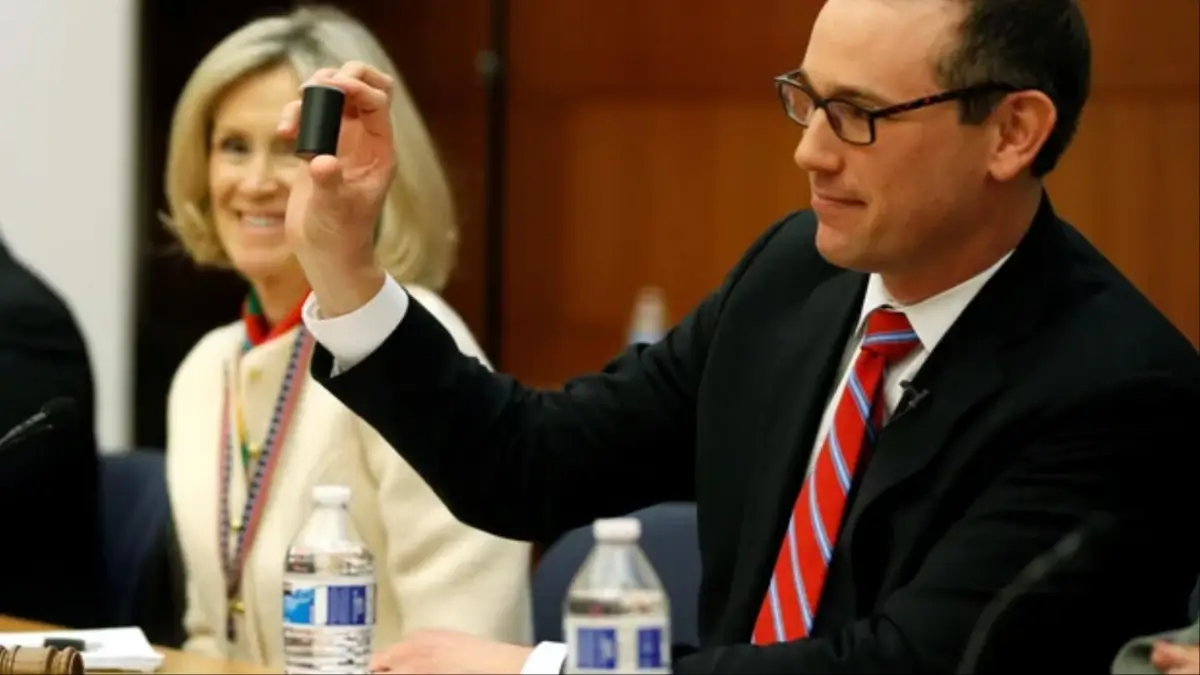
In January 2018, the two candidates met in Richmond for the drawing that would determine the outcome of the race. Election officials printed the candidates’ names on slips of paper, placed it inside film canisters, and put it into a bowl.
Virginia State Board of Elections Chairman James Alcorn then drew one of the canisters. He selected Yancey, giving the Republican candidate the seat and allowing Republicans to retain control of the House of Delegates.
The race wasn’t decided by another vote but by a drawing permitted under state law.
The unusual outcome illustrates how a single vote can matter, particularly in state and local elections, where even a narrow margin can affect the balance of political power.
States have different procedures for resolving tied elections, including holding a runoff, allowing the legislature to choose the winner or determining the outcome by lot.
Virginia’s 2017 contest raised questions about ballot design, voter intent, and who has the authority to determine what a voter meant when marking a ballot.
Many voters feel their individual ballots won’t make a difference, but Virginia’s 2017 election shows how much can hinge on a single vote.
The outcome is a reminder that every voice matters and that participating in elections gives voters a say in decisions that affect their communities.
For continuing coverage of the 2026 midterms, follow Atlanta Black Star’s Your Vote Unfiltered, featuring election results, key races, and analysis of what comes next.